Pairs
This section continues the injury-recovery focus of the original Nutritionally, founded by Brandon Cha at Tenafly High School. Although nutrition as a whole should be balanced with a healthy proportion of proteins, carbs, and other nutrients, the information below offers insights into which foods are particularly beneficial during a specific injury, along with practical exercises to support recovery.
Recovery Nutrition: The Basics
No matter the injury, a few principles apply across the board:
-
Keep eating enough. It's tempting to cut back on food when you're not training, but healing takes energy — under-eating actually slows recovery and causes muscle loss.
-
Get protein throughout the day. Protein rebuilds the muscle, tendon, and bone tissue damaged in an injury, and spreading it across meals works better than one big serving.
-
Don't skip carbs. They keep your energy up and let your body use protein for repair instead of burning it for fuel.
-
Eat the rainbow. Colorful fruits and vegetables give you antioxidants and vitamin C that support tissue repair and help manage inflammation.
-
Support connective tissue. For tendon, ligament, and joint injuries, pairing vitamin C (citrus, peppers) with collagen-rich foods like bone broth may help rebuild connective tissue.
-
Mind the key micronutrients. Calcium and vitamin D for bone, zinc for tissue repair, and iron for energy and oxygen delivery.
-
Stay hydrated. Water supports every part of the healing process.
Food is one piece of recovery — it works alongside rest, rehab, and professional medical care, not instead of them.
1. Ankle Sprain
- Foods: Anti-inflammatory foods — fatty fish (such as salmon or sardines), turmeric, ginger, berries, leafy greens.
- Exercises: Towel scrunches with your feet, resistance band eversion/inversion, single-leg balance drills.
- Why it helps: A sprain stretches or tears ligaments and triggers swelling, so anti-inflammatory foods like omega-3s and berries help calm it down so you can start moving sooner.
2. Stress Fracture (e.g., shin or foot)
- Foods: Calcium-rich foods (yogurt, cheese, fortified plant milks), vitamin D (eggs, salmon, fortified cereals, etc.), protein for tissue repair.
- Exercises: Once healed, non-impact cross-training (such as swimming or cycling), calf raises, tibialis raises, and controlled plyometric progressions.
- Why it helps: These are tiny cracks in bone, so calcium and vitamin D rebuild bone while protein lays down the framework. Eating enough overall matters too, since under-fueling is a leading cause of stress fractures.
3. Tendonitis (e.g., Achilles or elbow)
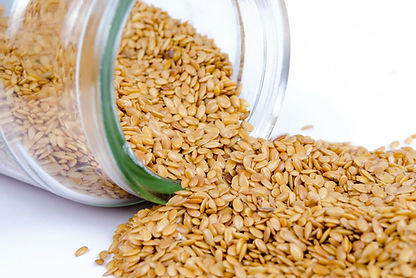
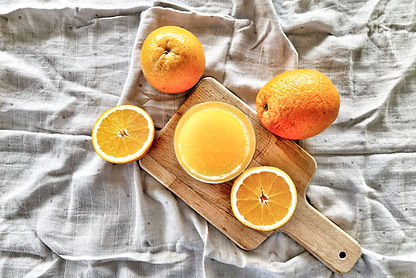
- Foods: Omega-3-rich foods (such as flaxseeds, chia seeds, or walnuts), vitamin C for collagen synthesis (oranges, kiwi, bell peppers), gelatin + vitamin C combo, etc.
- Exercises: Eccentric loading — heel drops for Achilles, wrist extensor eccentric curls for tennis elbow.
- Why it helps: Tendons are made largely of collagen, and your body needs vitamin C to build collagen — so vitamin C plus anti-inflammatory omega-3s make a strong combination.
4. Knee Ligament Sprain (e.g., MCL)
- Foods: Collagen-supportive foods such as bone broth, citrus fruits, lean meats, or anti-inflammatory sources such as olive oil and dark leafy greens.
- Exercises: Quadriceps and hamstring strengthening exercises such as wall sits, glute bridges, step-ups, and balance drills.
- Why it helps: Ligaments heal slowly because they get less blood flow, so steady protein, vitamin C, and collagen- supportive foods give your body the building blocks it needs.
5. Muscle Strain (hamstring, quad, or calf)
- Foods: Lean protein (chicken, fish, eggs, tofu, Greek yogurt), plus anti-inflammatory foods like berries, leafy greens, and fatty fish.
- Why it helps: A strain is a tear in muscle fibers, so your body needs plenty of protein to rebuild them. Eating protein across the day helps prevent muscle loss while you're out, and omega-3s and antioxidants help manage swelling.
- Exercises: Gentle range-of-motion early, then gradual strengthening — isometric holds first, then eccentric work like Nordic hamstring curls once pain allows. Ease back slowly to avoid re-injury.
6. Concussion
- Foods: Omega-3-rich foods (salmon, walnuts, chia, flax, omega-3 eggs), colorful antioxidant foods (berries, leafy greens), and enough overall calories and fluids.
- Why it helps: A concussion is a brain injury, and the biggest nutrition mistake is under-eating — the brain needs steady energy and hydration to recover. Omega-3s (especially DHA) and antioxidants may help support brain-cell repair and calm inflammation, though the research is still developing.
- Important: Nutrition supports recovery but cannot heal a concussion on its own. Always follow a doctor's guidance and return-to-play plan.
7. Shin Splints
- Foods: Calcium and vitamin D foods (dairy, fortified plant milks, eggs, leafy greens), plus anti-inflammatory foods like berries and fatty fish.
- Why it helps: Shin splints involve stressed muscle and bone along the shin, so calcium and vitamin D support the bone side while anti-inflammatory foods ease the ache. Getting enough calories matters too, since under-fueling raises the risk of bone stress injuries.
- Exercises: Reduce impact, do calf and tibialis raises, stretch the calves, and ease back into running gradually on softer surfaces.
8. Plantar Fasciitis
- Foods: Anti-inflammatory foods (fatty fish, turmeric, ginger, olive oil, berries) and vitamin C + collagen sources (citrus, bone broth).
- Why it helps: This is inflammation of the tissue along the bottom of your foot, so anti-inflammatory foods help manage pain, while vitamin C supports the collagen that tissue is made of.
- Exercises: Calf and plantar-fascia stretches, rolling your foot on a frozen water bottle, and foot strengthening like towel scrunches.
9. Rotator Cuff / Shoulder Injury
- Foods: Protein for muscle and tendon repair, vitamin C + collagen foods (citrus, bone broth, gelatin), and omega-3s to reduce inflammation.
- Why it helps: The rotator cuff is a group of muscles and tendons, so repair needs both protein and the vitamin C– collagen combo that rebuilds tendon tissue. Omega-3s help manage the inflammation behind shoulder pain.
- Exercises: Gentle pendulum swings early, then resistance-band external/internal rotations and scapular strengthening as it heals.
10. ACL Tear / Post-Surgery Recovery
- Foods: Plenty of protein, enough total calories, vitamin C + collagen/gelatin foods (citrus, bone broth), plus zinc (meat, seeds, beans) and anti-inflammatory foods.
- Why it helps: The ACL is a ligament, and ligament repair is slow because of limited blood flow. Keeping energy and protein high prevents muscle loss during the long rehab, vitamin C and collagen support rebuilding, and zinc aids tissue repair. Don't cut calories just because you're less active — healing needs fuel.
- Exercises: Follow your physical therapist's plan exactly. Early work focuses on range of motion and quad activation, building to strengthening and balance over months.
11. Muscle Cramps & Dehydration
- Foods: Hydrating, electrolyte-rich foods (bananas for potassium, oranges, coconut water, a little salt) and magnesium sources (leafy greens, nuts, whole grains).
- Why it helps: Cramps are often linked to losing fluid and electrolytes through sweat. Replacing sodium, potassium, and magnesium — plus drinking enough water — helps muscles contract and relax normally.
- Guidance: Hydrate before, during, and after practice, and don't wait until you're thirsty on hot days.
12. Bruises / Soft-Tissue Contusion
- Foods: Vitamin C foods (citrus, peppers, kiwi), vitamin K foods (leafy greens), and protein. Pineapple (bromelain) is sometimes used for swelling.
- Why it helps: Bruises are small areas of bleeding under the skin. Vitamin C supports blood-vessel and tissue repair, vitamin K helps normal clotting, and protein rebuilds the damaged tissue.
- Guidance: Rest, ice early, and elevate the area to reduce swelling.
(This information is for general educational purposes and is not medical advice. Always consult a doctor, athletic trainer, or physical therapist before starting any recovery or exercise plan.)